What is UVC? Types of UVC Lights and How They Can Be Used for Disinfection
October 26, 2023 · 13 min read
Are you looking for ways to disinfect surfaces in your home? If so, you've come to the right place. This guide will teach you about the different types of UV lights and how they can be used to disinfect surfaces. You'll also learn about the benefits and drawbacks of using UVC technology, as well as safety precautions to take when using it.
Introduction to UVC
Definition and Characteristics of UVC
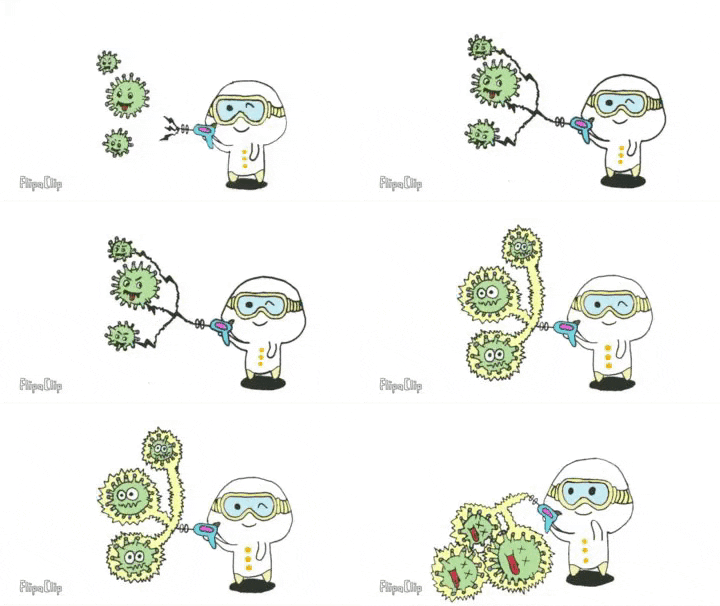
UVC refers to ultraviolet light with wavelengths between 100-280 nanometers (nm). UVC light is a type of UV light, which also includes UVA and UVB types, distinguished by their different ranges of wavelengths. UVC light, with its short wavelength, is known for its strong disinfectant properties. This light is effective in inactivating microorganisms by damaging their DNA and RNA, rendering them unable to reproduce and subsequently leading to their death.Overview of Types of UV light
UV light, a type of radiation, is classified into three types based on the energy content and wavelength. These are UVA, UVB, and UVC.- UVA Light: Presenting the longest wavelengths (315-400 nm), UVA light constitutes the greatest part of our sun exposure and has the least energy. Continuous exposure to UVA light is associated with skin aging and damage.
- UVB Light: UVB light, with medium-range wavelengths (280-315 nm), makes up a minor portion of sunlight but is primarily responsible for sunburns and a majority of skin cancers due to its high energy.
- UVC Light: The most potent form of UV light, UVC, typically lies in the range of 100-280 nm. Naturally emitted UVC from the sun is mostly absorbed in the Earth’s ozone layer, thereby shielding us from its potentially harmful effects. However, human-made sources of UVC light have harnessed its germicidal properties for various disinfection purposes.
Understanding Different Types of UVC Lighting
Traditional UVC Lights
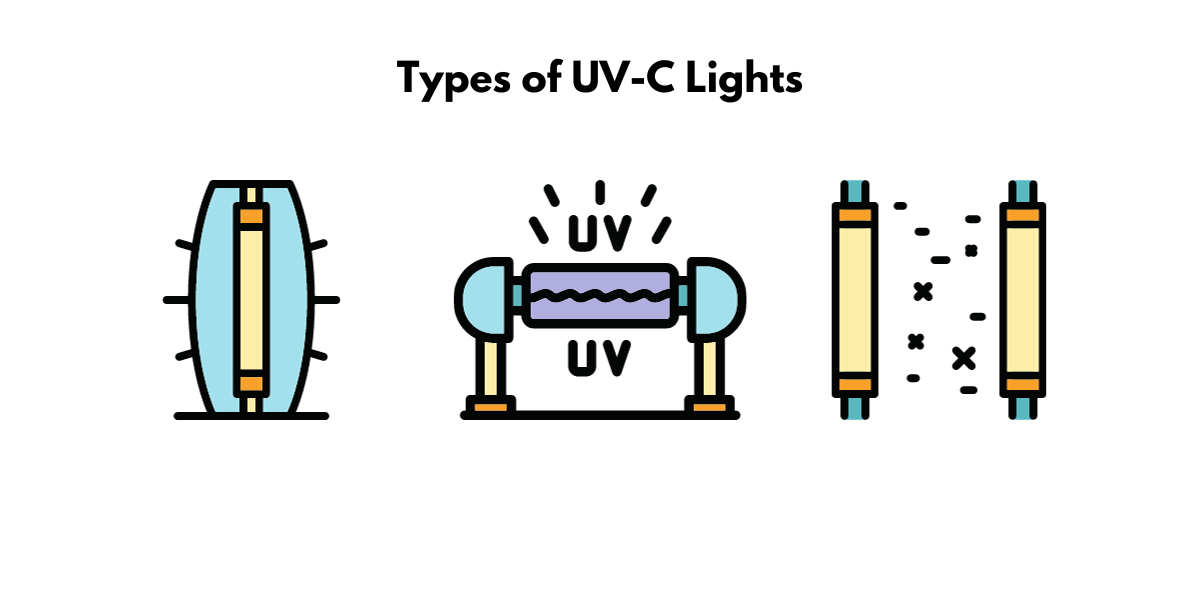
Traditional UVC lights or Germicidal lamps have been used for decades to disinfect air, water, and surfaces in several industries, medical facilities, and homes. These Mercury-based lamps emit UVC light at a wavelength of about 253.7 nanometers, which is known for its high germicidal efficiency. A multitude of formats exist for germicidal lamps, including linear bi-pin, 2-pin, 4-pin, screw-in, and plug-in compact. Many of these lamps work in synergy with specially designed ballasts that control the electrical current flowing to the lamp. However, these lamps require regular maintenance and should be cleaned using alcohol only to avoid any natural oils from affecting their functionality. Always wear rubber gloves when cleaning these lamps to protect your hands and enhance the lamp's life.Far-UVC Lamps: A New Evolution
Advancing technology has introduced a new breed of UVC lights known as Far-UVC lamps. These lamps emit far-UVC light at a much shorter wavelength, around 207-222 nm. They have been gaining attention recently due to their potential ability to kill microbes without causing harm to human skin or eyes. However, Far-UVC lamps are a fairly new entry into the market and their product offerings are still limited, with only a few manufacturers currently producing them. Despite the limited availability, the potential health benefits offered by these lamps make them a promising alternative to traditional UVC lights. It's important to note that Far-UVC lamps operate at a lower dose over prolonged periods. For example, a product like the Healthe SPACE™ serves as a downlight and dispenses a dose of 23 mJ/cm ² over an eight-hour day, providing a balanced protocol for disinfection. Still, the use of Far-UVC technology is not widespread in residences or individual units in multiple dwelling spaces, mainly because their safety and efficiency are still under review. However, as researchers continue to explore their potential and improvements are made, they are likely to gain popularity.
The Science Behind UVC Disinfection
Mechanism of Virus Inactivation by UVC
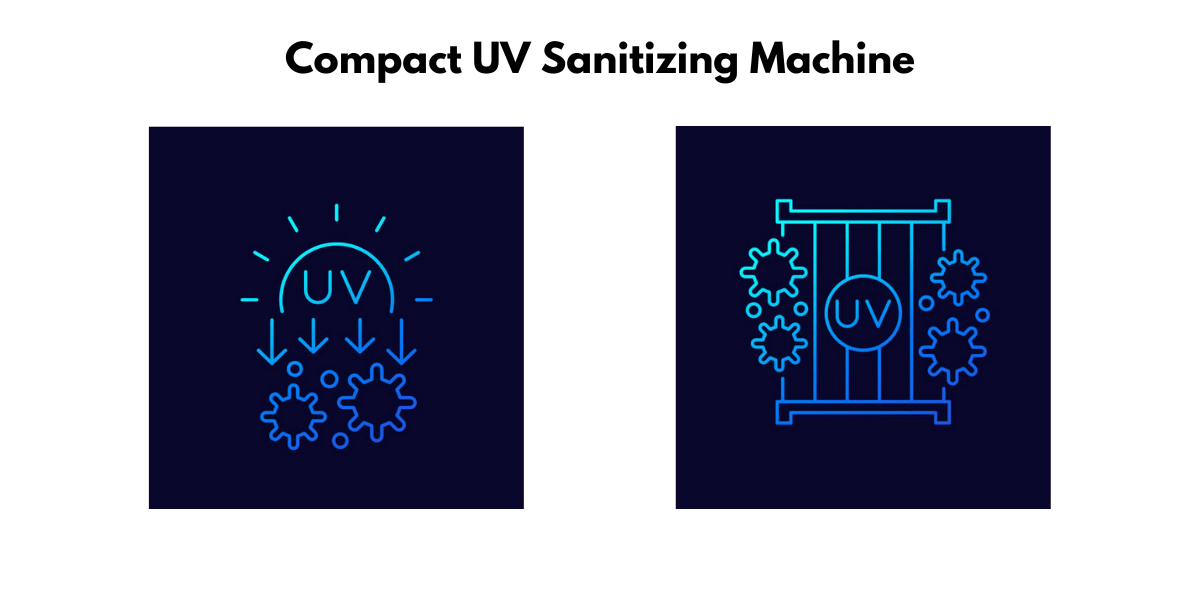
UVC light, due to its short wavelength and high energy, has a unique mechanism that enables it to inactivate viruses and other microorganisms. When a virus is exposed to UVC light, the radiation penetrates the outer structure of the virus and reaches the DNA or RNA. These UVC photons are absorbed by the viral nucleic acids which cause molecular lesions. These lesions, specifically the dimerization of adjacent pyrimidine bases, disrupt the genetic information and structure. This destructive process impairs the virus's ability to replicate and infect host organisms. The photonic energy of UVC light is sufficient to break the chemical bonds in DNA and RNA, rendering the virus harmless. This method works across a wide array of viruses and other pathogens, including the SARS-CoV-2 virus responsible for COVID-19. Notably, different pathogens have different resistances to UVC light. However, this does not impede the efficacy of UVC light but might require a higher dose or longer exposure time for certain resistant pathogens. As an example, to deactivate 95% of the SARS-CoV-2 virus on a surface, UVC light with an intensity of 1.6 mJ/cm² has been shown to be effective.Experimental Protocols Supporting UVC Efficacy
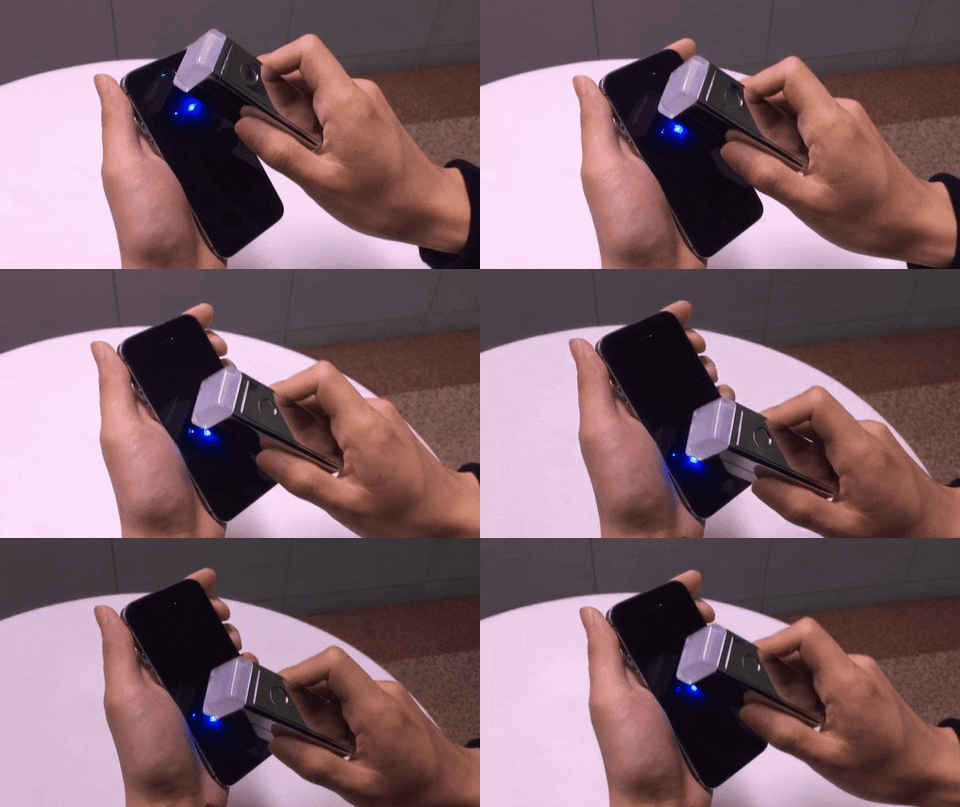
Scientific research supports the germicidal power of UVC light. A notable case study involved inoculating media with Escherichia coli O157:H7, Salmonella enterica serovar Typhimurium, and Listeria monocytogenes. These were then exposed to UV-LEDs at varying peak wavelengths (266, 270, 275, and 279 nm in the UVC spectrum) at doses of 0.1, 0.2, 0.5, and 0.7 mJ/cm 2. There was evident inactivation of the bacteria, confirming the germicidal effects of UVC light. In another instance, slices of cheese inoculated with the same bacteria were subjected to doses of 1, 2, and 3 mJ/cm 2. The application of UVC light led to a 4-5-log reduction in bacterial counts, providing further evidence of its disinfection power. It is important to note that the inactivation efficacy of UVC light can vary depending on the organism and the UVC wavelength used. Consequently, the effectiveness of UVC disinfection protocols will need to be evaluated on a case-by-case basis. It was found that UVC-LEDs treatment at 266 and 270 nm demonstrated significantly different inactivation effects than other wavelength modules.
The Power of UVC Beyond COVID-19
Historical Uses of UVC in Disease Prevention
The application of UVC for disease prevention has historical roots. As early as the mid-20th century, UVC lamps were used to reduce the spread of tuberculosis in school classrooms and military barracks. Furthermore, studies have shown UVC's effectiveness at deactivating the drug-resistant strain, MDR-TB. Beyond tuberculosis, other real-world implementations include the use of UVC in hospitals for disinfection purposes. Its germicidal properties help in reducing the prevalence of nosocomial infections or those contracted during a hospital stay. Over time, with advancements in technology and scientific findings, the usage of UVC has expanded into a variety of sectors including food sanitation, air purification, water purification, and notably, healthcare and personal hygiene. Evidence suggests that UVC could effectively deactivate pathogens such as influenza and render them harmless, underscoring its potential in mitigating airborne diseases.The Future of UVC Lighting: What Comes After the Pandemic?
Scientists and manufacturers alike foresee a promising future for UVC lighting beyond the COVID-19 pandemic. This is primarily due to its ability to inactivate a variety of pathogens - from viruses and bacteria to mold and other harmful microorganisms. In public settings such as supermarkets, UV-C lighting is poised to play a critical role. Research suggests that common surfaces in these settings, like shopping trolleys and refrigerator doors, harbor significant amounts of bacteria. UVC light has the potential to drastically reduce these pathogens, contributing to a safer environment. The growth in demand for UVC lighting solutions during the pandemic has stressed the necessity of such technology in our daily lives. Since UVC light can deactivate a wide range of airborne and surface-dwelling pathogens, it's an effective tool to curb the spread of infectious diseases in various indoor settings. In the future, residential implementation of UVC lighting could become more widely accepted. For instance, far-UVC light installations could become a common feature in homes, military barracks, and dormitories, providing a continuous disinfection protocol without causing harm to the inhabitants. As UVC light technology continues to evolve, we can look forward to enjoying safer and healthier living and working spaces.
The Pros and Cons of UVC Lights
Understanding the Benefits of UVC Technology
UVC technology harnesses the disinfecting properties of UVC light, yielding a broad range of benefits. Effective Disinfection: UVC light effectively inactivates various pathogens, including bacteria and viruses, rendering them incapable of reproducing and causing infection. This thorough disinfection improves the cleanliness and safety of various environments. Chemical-Free Cleaning: Unlike other disinfection methods that use harsh chemicals, UVC light offers a natural and environmentally friendly alternative. It leaves no residue and doesn't contribute to the formation of resistant strains. Wide-Ranging Applications: UVC lights can be used to disinfect air, water, and surfaces in a wide variety of settings, ranging from hospitals and labs to homes and public spaces. Versatility: UVC devices are available in various formats - from standalone units to integrated systems in HVAC, lighting, and appliances. This makes them adaptable to numerous applications. Safety: Although direct exposure to UVC light is harmful, devices can be designed to enable safe operation—these include features such as human presence detection, time-delayed start, and remote operation. While the benefits of UVC are substantial, it is also crucial to understand that they need to be used correctly to ensure effectiveness and safety. Always look for devices evaluated by a trustworthy third party, such as UL, to ensure they meet the necessary safety standards.Potential Drawbacks and Safety Cautions
While UVC technology provides potent germ-killing power, there are potential drawbacks and safety concerns to consider. Health Risks: Direct exposure to UVC light can damage the skin and eyes. This necessitates precautionary measures when operating UVC devices, such as ensuring the room is unoccupied during disinfection or using safety gear. Limited Reach: UVC light can disinfect only what it can "see." Shadows or undulating surfaces can hide pathogens from the light, limiting its effectiveness. Comprehensive disinfection strategies should consider this shortcoming. Damage to Materials: Continuous exposure to UVC light can potentially degrade certain materials. Because of this, UVC is often combined with other disinfection strategies to ensure a balance between efficacy and sustainability. Despite these challenges, the effective use of UVC technology lies in understanding these potential risks and ensuring correct installation, usage, and maintenance. Users should comply with the product's safety guidelines and consider undergoing training and certification programs where available. It's also recommended to choose UVC devices that provide in-built safeguards such as timers, presence detection sensors, and containment safeguards. This ensures the balance between the maximum germicidal effect and the optimum safety of users. It's also noteworthy to remember that while UVC is a potent antimicrobial tool, it should be used alongside other precautions, like wearing masks, hand hygiene, vaccination, and public health policies, as a comprehensive response to disease prevention.