Perfect for Parents: UV Bottle Sterilizer Guide
January 17, 2024 · 12 min read
Enhance child safety with a UV bottle sterilizer. Our guide covers uses, benefits over steam, and reviews top sterilizers for informed parenting choices.
Introduction to the UV Bottle Sterilizer
What Is a UV Bottle Sterilizer?
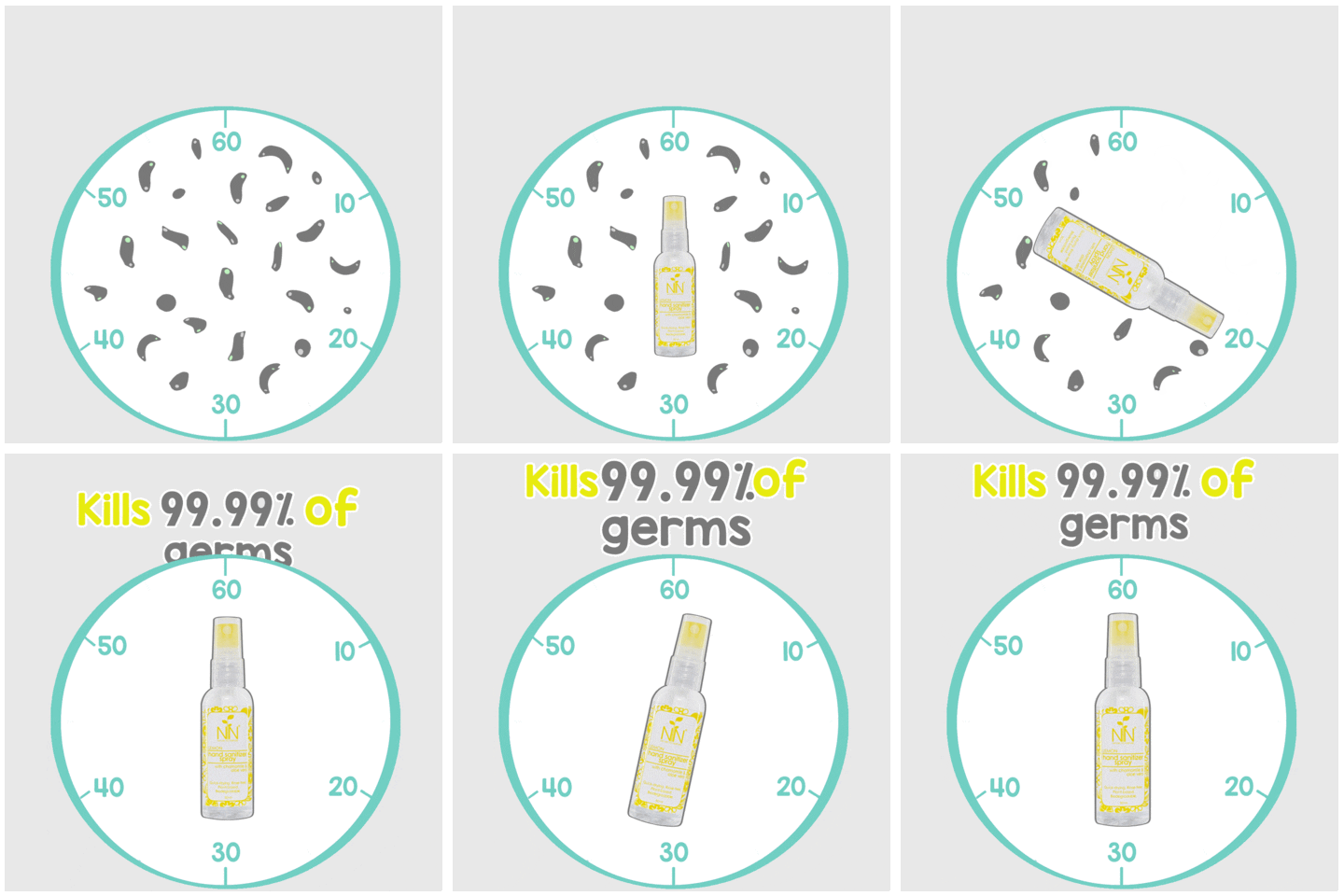
A UV bottle sterilizer is a device that uses ultraviolet (UV) light to kill 99. 9% of harmful microorganisms, bacteria, mold, viruses, and other germs often found on baby bottles and accessories. Integrating the sanitizer function, this device serves as a multipurpose tool that extends beyond baby products. Unlike traditional methods that rely on steam or boiling water, UV sterilizers utilize a chemical-free process that harnesses UV-C light, a type of ultraviolet light that is invisible to the human eye but has the ability to disrupt the DNA of microorganisms and render them harmless. In addition, a uv sanitizer can sterilize items like jewelry, beauty tools, and smartphones, which might be especially useful in environments such as hospitals, beauty salons, and kindergartens where hygiene is paramount.Why It's a Must-Have for Modern Parents
Modern parenting is a challenging endeavor that combines the joy of raising a child with the constant concern for their health and well-being. In this context, a UV bottle sterilizer:- Safeguards Health: Ensures that feeding bottles, pacifiers, and baby feeding toys are free from 99% of harmful germs that could make infants sick, providing parents with peace of mind.
- Saves Time: Sterilizes quickly and effectively without the need for water, heat, or chemicals, which is especially beneficial for busy parents who are frequently multitasking.
- Eco-Friendly: Offers a sustainable solution that eliminates the need for repetitive boiling and reduces the reliance on disposable sterilization methods.
- Convenient and Versatile: Can sterilize a range of baby products, including different sizes of baby feeding items, as well as items like smartphones and eyeglasses, thus serving multiple purposes beyond baby care.
- Reliable and Consistent: Provides uniform sterilization, reaching all surfaces of the items being sanitized, which is something that manual methods may not guarantee.
Understanding UV Sterilization Technology
How UV Light Eliminates Harmful Germs
UV light, specifically UVC light, is an incredibly effective disinfectant known to eliminate harmful germs and pollutants. Here's how it works:- DNA and RNA Disruption: UVC light penetrates the thin walls of microorganisms and interferes with their DNA or RNA. This process not only destroys common germs but also targets pollutants that can adhere to objects. By disrupting their genetic material, UVC light prevents cells from performing vital cellular functions, halting replication and causing germ death.
- Physical Structure Damage: The light damages the physical structure of the pathogens and any pollutants attached to them, rendering them unable to perform necessary processes that are required for them to survive and multiply.
- No Chemical Resistance: Unlike chemical disinfectants, microorganisms and pollutants do not develop resistance to UV light, ensuring long-term efficacy of the sterilization process. This makes UVC an ideal method for sanitizing objects such as baby bottles, medical equipment, and even personal items like toothbrushes and baseball caps.
The Benefits of UV Sterilizing Over Traditional Methods
UV sterilizing provides several key benefits over traditional sterilization methods, such as steam or boiling water:- Chemical-Free Process: UV sterilization does not involve any chemicals, making it a safe option for sterilizing baby bottles and other sensitive items, without leaving any residues that might be harmful to infants.
- Heat-Sensitive Material Safety: It’s the preferred method for items that could be damaged by heat, as UV sterilizing operates at room temperature and doesn’t risk warping or degrading heat-sensitive plastics or silicones.
- Energy Efficient: Despite taking longer than steam methods, UV sterilizers consume less energy overall, thanks to the efficiency of LED bulbs typically used in the process.
- Convenience: UV sterilizers offer a dry sterilization process, eliminating the waiting time for items to dry post-sterilization as with steam methods, which can be particularly handy for parents on-the-go.
- Versatility: UV sterilizers are not limited to baby bottles; they can disinfect a wide array of objects including electronics, personal care items, and even kitchenware, making them a versatile household tool.
Factors to Consider When Purchasing a UV Sterilizer
When investing in a UV sterilizer, parents should thoughtfully consider various factors to ensure that they choose a product that aligns with their specific needs:- Capacity: Assess the size and number of bottles and accessories you need to sterilize at one time. Larger families or those with twins may require a sterilizer with a greater capacity.
- Compatibility: Ensure that the sterilizer can accommodate different types of materials such as plastic, silicone, and glass.
- Safety Features: Look for a sterilizer with robust safety features, such as auto-shutoff mechanisms and lockable lids, to prevent UV exposure to the skin and eyes.
- Bulb Lifespan: Check the expected lifespan of the UV-C bulb and the ease of replacing it, as this can affect long-term usability and cost.
- Ease of Use: A user-friendly interface with clear settings and indicators can simplify the sterilization process for busy parents.
- Maintenance Requirements: Consider how easy the unit is to clean and maintain since sterilizers need to be kept free from dust and debris to ensure optimal performance.
- Additional Functions: Some UV sterilizers offer extra features such as drying, deodorizing, or storage functions, which may provide added convenience.
- Portability: If you travel often or need to move the sterilizer between locations, a compact and lightweight design will be significant.
- Brand Reputation and Reviews: Do research on brand reputation, customer support, and read reviews from other parents to gauge product reliability and satisfaction.

Getting the Most Out of Your UV Bottle Sterilizer
Best Practices for Using a UV Sterilizer
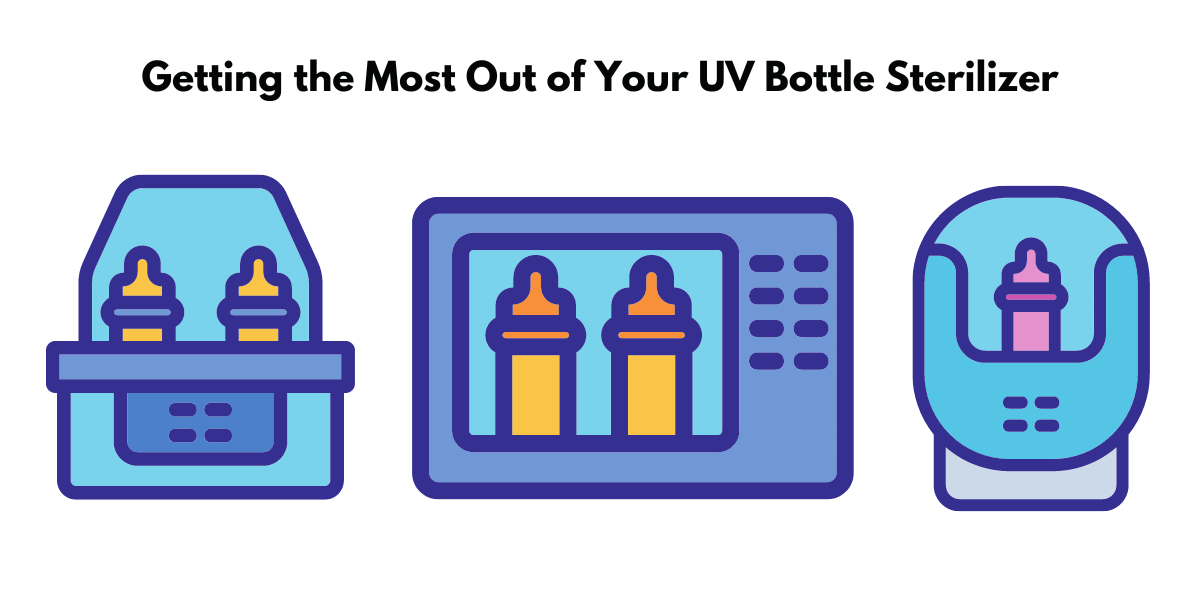
Using a UV sterilizer effectively involves more than just turning it on and off. To ensure the best sterilization results and longevity of your device, consider these best practices:- Pre-Clean Items: Before placing items in the UV sterilizer, wash them thoroughly with soap and water to remove any milk residue, dirt, or debris.
- Arrange Items Properly: Position items so that the UV light can reach all surfaces. If the sterilizer has racks or trays, use them as directed to ensure proper exposure.
- Avoid Overcrowding: Overloading the sterilizer can lead to uneven sterilization. Ensure there’s enough space around each item for the UV light to circulate effectively.
- Run Regular Cycles: Perform sterilization regularly to maintain a high level of hygiene, especially for items used frequently.
- Dry Hands Before Use: If the device also has a drying function, ensure your hands are dry before placing items inside to avoid creating a moist environment that could promote germ growth.
- Follow Manufacturer's Instructions: Each UV sterilizer may have unique features and functions. Always refer to and follow the manufacturer's guidelines.
- Keep the Door Closed During Operation: To prevent exposure to UV light, which can be harmful, it’s important to keep the sterilizer door closed during its operation.
- Wipe Down the Interior: Regularly clean the interior of the UV sterilizer with a soft, clean cloth to keep the reflective surfaces clean for optimal UV light distribution.
- Replace Bulbs as Needed: UV bulbs lose their effectiveness over time, so it’s crucial to replace them according to the manufacturer’s recommended schedule.

Maintenance and Care for Longevity
To extend the lifespan of your UV bottle sterilizer and ensure it continues to operate at peak efficiency, proper maintenance and care are essential. Here are some key tips to follow:- Regular Cleaning: Periodically wipe the interior of the sterilizer with a soft cloth to prevent dust or deposits from interfering with UV effectiveness. Follow the manufacturer’s instructions for specific cleaning tips.
- Bulb Replacement: Keep track of the usage hours of your UV bulb and replace it when it reaches the end of its effective lifespan, usually around 6,000 hours for many models.
- Check for Damage: Inspect the UV bulb and other components of the sterilizer for any signs of damage, such as cracks or loose connections, which could affect its performance and safety.
- Keep the Door Sealed: Make sure the sterilizer's door seals properly to prevent any sort of UV leakage and also to maintain the correct intensity of the UV light inside the unit.
- Handle with Care: Be cautious not to damage the UV bulb or the unit when loading or unloading items, as bulbs can be fragile.
- Avoid Harsh Chemicals: Use only recommended cleaning agents if necessary, as harsh chemicals might damage the unit's components.

Common Questions and Concerns about UV Sterilization
The Safety of UV Sterilization for Baby Products
The safety of UV sterilization technology, especially when it comes to baby products, is a common concern for parents. Here’s what you need to know about its safety: Physical Protection: Good quality UV sterilizers are designed with protective shields or compartments that prevent UV light from escaping during operation, ensuring no exposure to the skin or eyes. No Chemical Residues: As a chemical-free process, UV sterilization leaves no residues that might be found in liquid disinfectants, making it safe for sterilizing items that babies put in their mouths. Effectiveness: UV-C light, utilized in these sterilizers, effectively kills 99.9% of harmful bacteria and viruses without any physical or chemical agents, which helps to safeguard your baby’s health without introducing new risks. Automatic Shutoff: Many UV sterilizers feature automatic shutoff mechanisms that activate if the device is opened during use, providing an additional layer of safety. While UV sterilization is widely considered safe for baby products, it is crucial to choose a high-quality sterilizer that complies with safety standards and to use it according to the manufacturer's instructions to ensure that it is entirely safe for household use.Addressing Common Myths About UV Sterilization
There are several myths surrounding the use of UV sterilization, particularly in the context of baby products. It is important to address these myths with factual information: Myth 1: UV Sterilization Creates Harmful By-Products- Fact: UV sterilization does not create by-products. It is a physical process that disrupts the DNA of microorganisms without the use of chemicals or the production of residue.
- Fact: Modern baby bottles are typically made from materials that are resistant to UV radiation. UV-C light at the wavelengths used in sterilization does not heat objects or cause degradation to such materials.
- Fact: While UV-C light can cause damage to skin and eyes, UV sterilizers are designed to contain the light fully within the appliance. Users are not exposed to direct UV light during typical operation thanks to these safety features.
- Fact: UV-C light is highly effective against a broad spectrum of microorganisms, including bacteria, viruses, and molds. It is one of the most comprehensive sterilization methods available.
- Fact: Maintenance for UV sterilizers is relatively straightforward, primarily involving keeping the machine clean and changing the UV bulb when necessary, as specified by the manufacturer.

FAQ
How Often Should I Use a UV Bottle Sterilizer?
The frequency of using a UV bottle sterilizer depends on a few factors, such as your baby's age and health. Here are some general guidelines based on those considerations:- For Newborns (0-3 months): When babies are most vulnerable, sterilize bottles and accessories before every use. Newborns have weak immune systems, and ensuring maximum hygiene is critical.
- For Infants (3-12 months): As the baby's immune system strengthens, you may reduce the frequency to once daily or as needed. Some parents opt for daily sterilization for peace of mind, while others sterilize less frequently.
- For Toddlers (12+ months): The need for sterilization decreases as your child grows. Transition to thorough cleaning and regular dishwashing, but consider occasional sterilization, especially during illness or when introducing new bottles.