Can UV Disinfection Light Be Used to Sanitize N95 Masks During the COVID?
July 26, 2021 · 5 min read
If there is a silver lining to the recent happenings with the pandemic and all, it is that the fear Covid-19 struck us with led to better and more innovative sanitation practices and methods. From practicing thorough and constant washing of hands to being more cautious of bacteria and germs, be it at home or in public.
Sadly, some of the things we use the most, like keys and our mobile phones, are infested with pathogens that may be carrying diseases like Covid-19 and are rarely disinfected.
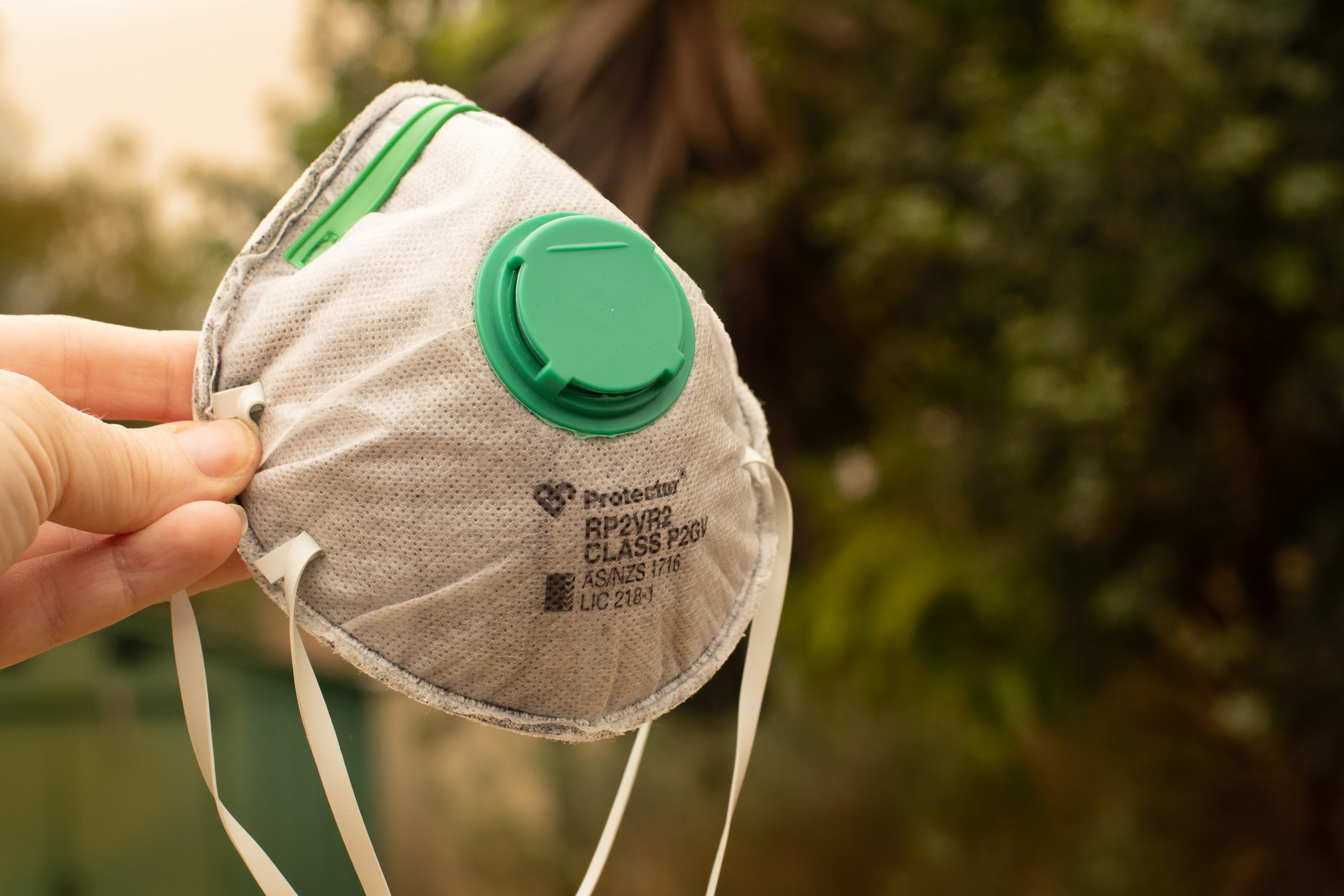
Don't get me started with the face masks we have all been wearing since the beginning of the pandemic in 2020. Reusable masks may be better for the environment and definitely more fashion-forward, but who has the time to keep the washing and drying them after every use?
Good thing there is a modern solution to this modern problem: UVC light disinfection.
Can UV Light Be Used to Disinfect Masks And Other PPEs During the COVID-19 Pandemic?
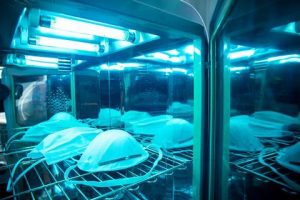
First, it is crucial to know that most Personal Protective Equipment (PPE), like masks, was not designed for multiple uses. However, the sudden arrival of the pandemic caught all industries off guard, resulting in a shortage of equipment that left everyone scrambling for supplies. Not to mention the harm it will cause the environment if we were to throw away masks after each use. However, reusing masks without any precautions may spread infection. To avoid this from happening, it is recommended to disinfect masks in between uses, and UV disinfection light is your best bet. As mentioned in our blog Facts on UVC Germicidal Devices, Ultraviolet sterilization (UV sterilization), also known as ultraviolet germicidal irradiation (UVGI), works by breaking down certain chemical bonds and scrambling the structure of DNA, RNA and proteins, causing a microorganism to be unable to multiply. A microorganism is considered dead when it is unable to reproduce within a host. This means that it is no longer infectious. It is a direct and effective approach to sanitize masks without causing them any damage.Has it been medically proven?
Researchers at the University of Nebraska Medical Center have successfully decontaminated PPE, N95 masks specifically, with Ultraviolet germicidal light. The disinfection method they used included UV light devices that were set up to look like towers in an empty room. The towers were being controlled remotely to avoid exposing humans to UV light. As soon as the PPE has been successfully decontaminated, it can be taken from the room to be delivered to the medical professionals for reuse. They took extra precautionary measures to make sure that the PPE remains safe to be reused after the UV light sanitation process. Here are some examples.
There should be labels on all the equipment
They made a rule to put labels on all the equipment that needs to be sanitized to avoid mix-ups and make sure they are returned to their original owners.Put the sanitized PPE in sealed packages
Even though the decontamination process is successful, it is highly possible that the equipment might encounter infected pathogens on its way to its original owner. To prevent that from happening and to ensure that the equipment they will hand over to the medical staff is sanitized and ready to be reused, they seal it in a package after the disinfection process.Both sides of all equipment undergo disinfection
Both the underside and the topside of all equipment are exposed to UV light in order to not leave room for any microbes to remain active on the equipment.All equipment is sanitized separately
No equipment touched another while in the process of being sanitized. To avoid this from happening, they decided to decontaminate each piece of equipment separately. This did not cause any additional concerns since the entire disinfection process only takes a few minutes.Sanitizing all the surfaces the PPE come in contact with
All the surfaces, including the trays, tables, etc. that the PPE touched, were manually cleaned and sanitized to make sure no pathogens will transfer and remain active.