Ultrasonic Cleaning: The Best Way To Get Rid Of All That Grime
March 12, 2022 · 14 min read
Ultrasonic Cleaning: Facts About Ultrasonic Cleaners
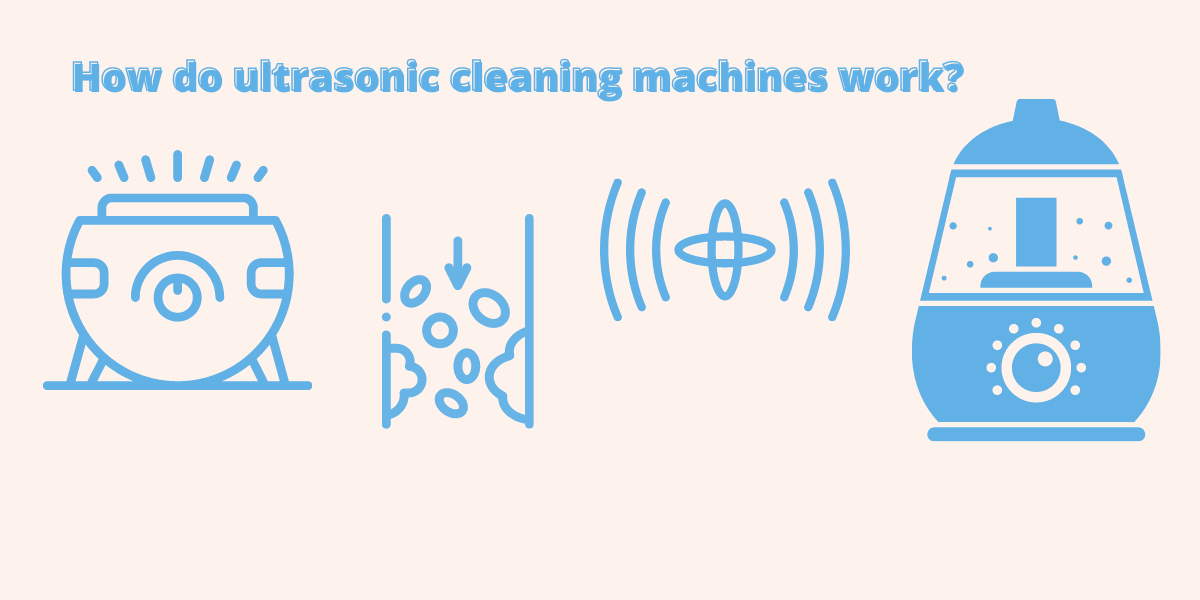
Ultrasonic cleaning is a process that uses high-frequency sound waves to clean objects. The sound waves cause the dirt and debris on the object to break down and be removed. This cleaning method is effective for getting rid of all types of grime, including grease, oil, and dirt. The sound waves create tiny bubbles that burst, which release energy that cleans the object. Ultrasonic cleaning technology has been around for a while now, and there are many myths and misconceptions about it. This blog post will set the record straight and highlight some of the many benefits of ultrasonic cleaning.How does ultrasonic cleaning work?
Ultrasonic cleaning is a process that uses high-frequency sound waves to remove contaminants from various materials. The sound waves create tiny bubbles that burst, releasing energy that cleans the material's surface. Ultrasonic cleaners are used to clean various items, including jewelry, eyeglasses, medical equipment, surgical instrument, and industrial parts. Ultrasonic cleaning is a process that uses high-frequency sound waves to clean objects. These sound waves are too high for humans to hear, and they cause the dirt and debris on an object to vibrate and break apart. The ultrasonic cleaning process is widely used in many industries, including medical device manufacturing and aerospace manufacturing. In industrial ultrasonic cleaning systems, the fluid used can be water-based or solvent-based. The fluid choice depends on the type of soil or contaminants to be removed and the material being cleaned. In general, water is a good cleaner for organic soils, while solvents are better for removing inorganic soils. Ultrasonic cleaning is a process that uses high-frequency sound waves to clean objects. The time required for ultrasonic cleaning depends on the material and soils, but typical cleaning times range from 3 to 6 minutes. Ultrasonic cleaners can be used to clean various items, including jewelry, eyeglasses, medical instruments, and industrial parts.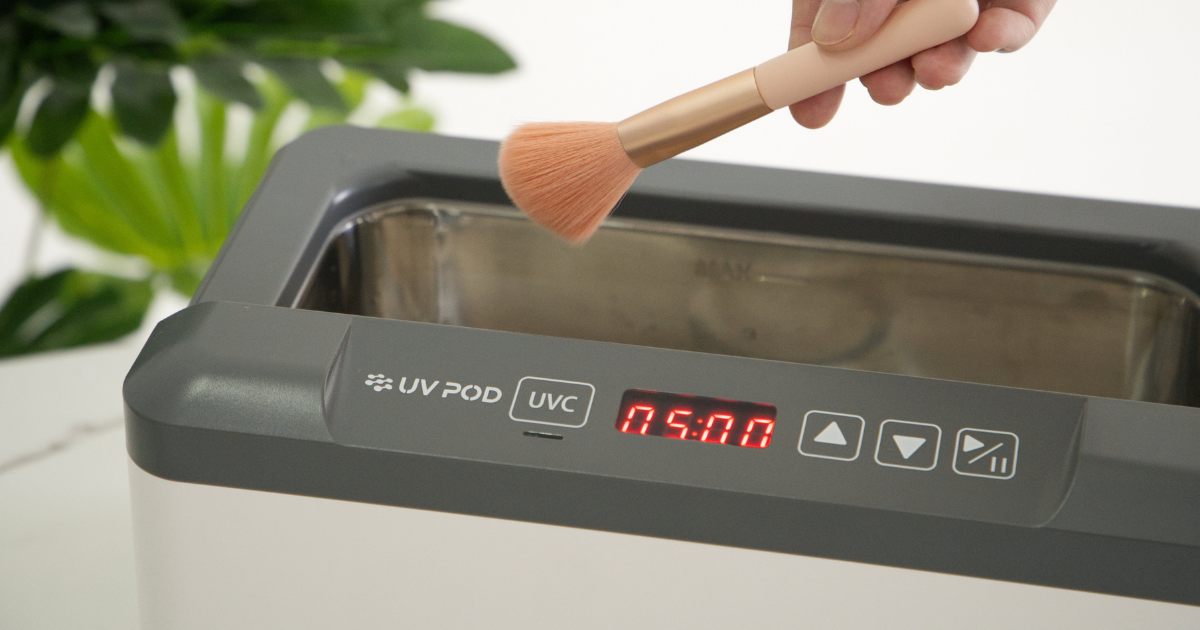
How do ultrasonic cleaning machines work?
Ultrasonic cleaning machines use high-frequency sound waves that are transmitted through the liquid. This creates tiny bubbles that implode on the surface of the cleaned object. This scrubbing action cleans the object's surface and removes all the dirt, grease, and grime. Ultrasonic cleaning machines use high-frequency sound waves to agitate the liquid solution of water or solvent. This causes the cavitation of solution molecules, creating tiny bubbles that implode and emit liquid jets. These jets clean the surface of whatever is being cleaned. The process of ultrasonic cleaning is based on the science of sound. When an ultrasonic cleaning machine produces ultrasound waves, it creates bubbles in the liquid surrounding and implodes on the object being cleaned. These micro-bubbles scrub away at the dirt and debris, dislodging it from the surface and breaking it down for easy removal. Ultrasonic cleaning machines use high-frequency sound waves to create bubbles that implode and produce tiny water jets. These tiny jets are what clean the surface. The bubbles produced by a propeller cannot be used for cleaning because they do not have enough energy to break down contaminants.How do high-quality ultrasonic cleaner machines differ from low-quality "off-the-shelf" ultrasonic cleaners?
In general, ultrasonic cleaner machines can be divided into high-quality and low-quality. The main difference between these categories is the quality of the transducer. Inexpensive, lower-quality transducers will decay much faster than those made with higher-quality crystals. This means that a high-quality machine will last longer and produce better results. An ultrasonic generator is the heart of an ultrasonic cleaning machine. The generators are often made from electrical components that lack the longevity an end-user expects, leading to extreme variations of ultrasonic tank cleaning performance over time. This means that a low-quality "off-the-shelf" ultrasonic cleaner may not meet the same standards as a high-quality machine in terms of performance and durability. Ultrasonic cleaners are made in either high- or low-quality. High-quality ultrasonic cleaners are more expensive, but they have features that make them worth the investment. For example, they often have a digital timer and adjustable power settings, which allow you to customize the cleaning process for your specific needs. Low-quality ultrasonic cleaners may be less expensive, but they often do not have these features and are unreliable. On the other hand, high-quality ultrasonic cleaners have a thicker stainless steel gauge and are built to last. Many low-quality ultrasonic cleaners have a thinner gauge of stainless steel, which may show wear in as few as months. Conversely, high-quality ultrasonic cleaners are made with a thicker gauge of stainless steel and will last much longer.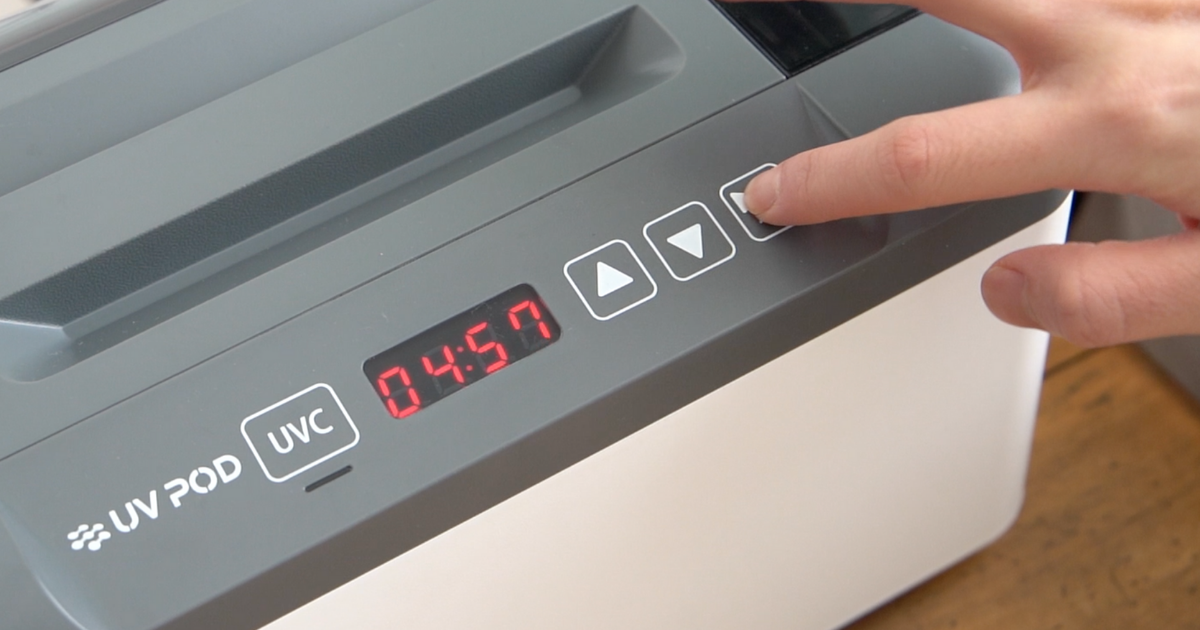
Different types of ultrasonic cleaners
Ultrasonic cleaners are a type of cleaner that uses high-frequency sound waves to clean objects. These cleaners are self-tuning, meaning they can adjust power output based on the load. This makes them an efficient and versatile option for cleaning various items. Ultrasonic cleaning is a process that uses high-frequency sound waves to clean objects. These sound waves create tiny bubbles that burst in contact with the object's surface being cleaned, dislodging dirt and debris. There are many different types of ultrasonic cleaners, but all share the same basic principle: using sound waves to clean surfaces. Ultrasonic cleaners are devices that use ultrasound waves to clean objects. There are various ultrasonic cleaners, each with its own benefits and drawbacks. When selecting an ultrasonic cleaner, it is important to consider the size of the tank, the power of the ultrasound waves, and the type of object being cleaned.Single-tank ultrasonic cleaners
Ultrasonic cleaners are devices that use ultrasonic waves to clean objects. Single-tank ultrasonic cleaners are smaller, standalone machines suitable for cleaning small to medium-sized parts. Nowadays, more advanced ultrasonic cleaners use a single tank to combine the cleaning, rinsing, and drying steps. This saves time and energy as it eliminates the need for multiple tanks. On the other hand, single-tank ultrasonic cleaners are perfect for small-scale applications. These include jewelry, laboratory equipment, and surgical equipment cleaning. They only require a cleaning tank to function. Ultrasonic cleaners come in various types, but the single-tank type is the most common. These devices are usually benchtop models and have a tank that holds the cleaning solution and the object to be cleaned. The ultrasonic waves clean the object, and then it is rinsed with water and dried by ambient air.Multiple-tank ultrasonic cleaners
Ultrasonic cleaners come in various types, but the multiple tank ultrasonic cleaner has separate tanks for the different steps of the cleaning process. This type is especially beneficial because it allows for more precision and accuracy when cleaning different items. Ultrasonic cleaners come in all shapes and sizes, but the three-tank system's most common type. This system has one tank for cleaning, one for rinsing, and one for drying. There are also ultrasonic cleaners with more than three tanks, but they are not as common. Ultrasonic cleaners are available in different sizes and with many cleaning tanks. Larger, multiple-tank ultrasonic cleaners are often used in production lines with higher throughput. In these systems, the parts to be cleaned are placed in one or more cleaning tanks, and the ultrasonic energy is applied from outside the tanks. This allows for faster cleaning times without sacrificing quality. Ultrasonic cleaners with multiple tanks can have a pre-wash stage to remove loose debris before the ultrasonic cleaning process begins. This helps to improve the final cleaning results and reduces the amount of time needed to complete the entire process. Ultrasonic cleaners come in various types, but the most common are the single-tank and multiple-tank varieties. The fully automatic systems also use gantry robots to pick and carry the parts' baskets. This allows for an efficient and seamless cleaning process that is quick and easy to operate. Gantry-type ultrasonic cleaners are the most common type of multiple-tank ultrasonic cleaner. In this design, the gantry lowers the basket at a tank for a specific amount of time, then transfers the basket onto the next station. This process is repeated until all tanks have been used.Immersible ultrasonic cleaners
Ultrasonic cleaners are devices that use high-frequency sound waves to clean objects. There are two types of ultrasonic cleaners: immersion and non-immersion. Immersible ultrasonic cleaners can be completely submerged in a cleaning solution. In contrast, non-immersion ultrasonic cleaners rely on the object being cleaned to be placed directly on top of the transducer. There are two types of ultrasonic cleaners- the immersible and non-immersible types. The immersion transducer can be submerged at the sides or bottom of the tank, while the non-immersion transducer needs to be placed above the liquid. Drop-in ultrasonic cleaners are a type of immersion cleaner. The difference between this and other types of immersion cleaners is that the drop-in location depends on the load, tank's geometry, and volume of liquid solution. This makes it possible to clean smaller parts and large objects without having to disassemble them. This ultrasonic cleaner is highly versatile because more transducers can be added placed at different locations. In other words, the cleaning power of this type of ultrasonic cleaner is not limited to a single location; it can reach difficult-to-clean areas with ease. Immersible ultrasonic cleaners are devices that use ultrasonic waves to clean items. The transducers, which create the ultrasonic waves, can be transferred from one tank to another, making the device more versatile.Ultrasonic cleaners with UV
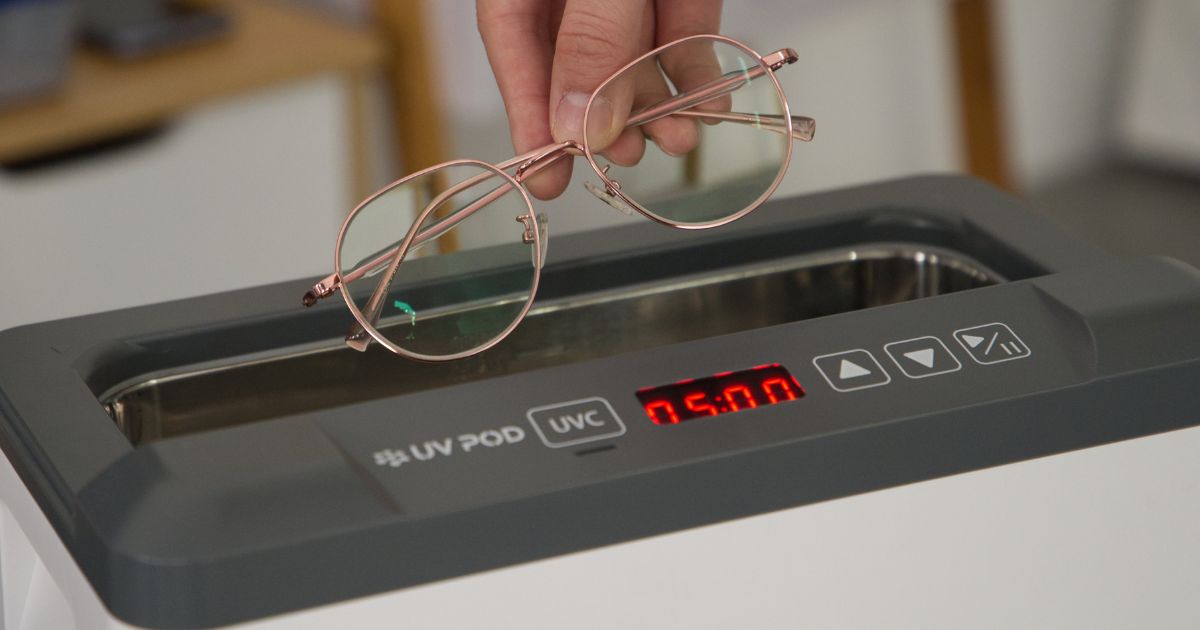
Ultrasonic Cleaning with UV is a great choice because it can be used independently or together. This multi-purpose sterilizer box can be used to sanitize your jewelry, baby products, makeup tools, personal items, eyeglasses, mobile phones, coins, and more. Ultrasonic cleaners are a great way to clean jewelry, eyeglasses, watches, and other delicate items without harsh chemicals or scrubbing. Ultrasonic cleaners with UV can cleanse your valuables in just 5 minutes by using 40,000 Hz of ultrasonic waves. This will release any tarnish, lotion, dirt, makeup, oils, and other dirty substances without causing any damage. As a result, your valuables will look new, and you'll experience less maintenance in the future. Ultrasonic cleaners with UV offer users a more reliable way to clean and sterilize their tools and accessories. A wavelength of 253.7 nm helps reduce the spread of germs, bacteria, and contaminations. Furthermore, this wavelength is ozone-free, providing users with wider coverage and disinfection power.